
The Upgrades That Actually Pay Off Before You Sell

The most common question I hear from sellers is, "What should I fix before I list?" The honest answer is not "everything." It is also not "nothing."Buyers rarely walk out of a home because of one big flaw. More often, they collect small worries: the scuffed walls, the dated light fixture, the stain in the corner. Each one plants a question about what else might need work. The right upgrades remove those questions, so buyers can focus on how they would live in the home.Here is how I help sellers think it through.
Start With What Buyers See First
A buyer forms an opinion of your home before they reach the front door. That makes the exterior one of the best places to spend your time and money.Tidy the beds, trim back anything overgrown, and refresh the mulch. Repair or replace a worn walkway. Paint the front door, and consider new house numbers, a mailbox, or an updated light by the entry. These are modest projects that make a home look cared for, and a cared-for home gets a more generous reading from buyers.Fresh Paint Does More Than Almost Anything Else
Paint is usually the most affordable way to change how a home feels. A neutral, warm palette makes rooms look brighter and larger, and it lets buyers picture their own furniture and style. Bold colors, even ones you love, can make it harder for a buyer to imagine the space as theirs.Pay attention to the details as well. Trim, ceilings, and doors show wear quickly, and a clean finish on all of them makes a home feel finished and well maintained.Look Down: Floors Set the Tone
Flooring takes up a large part of what a buyer sees in every room. Worn carpet, scratched hardwood, and tired vinyl all age a home quickly.Before you replace anything, find out what you already have. Hardwood under old carpet can often be refinished for far less than new flooring costs. If replacement makes sense, choose something durable and neutral that suits the age and style of the home. The goal is a floor that does not draw attention to itself.Fix the Things a Buyer Will Find
Deferred maintenance is where buyers, and later their inspectors, tend to lose confidence. A dripping faucet, a sticky door, a cracked window pane, or a soft spot in a deck may be small on its own. Together they tell a story about how the home has been kept.Walk through your home as if you were inspecting it. Repair what is broken, address any water stains, and deal with known issues before they show up in an inspection report. It is far easier to fix a problem on your own schedule than to negotiate it under a deadline.Give the Home More Usable Space
Buyers count square footage in their heads, and they count the space they can actually use. A finished basement, a tidy bonus room, or a converted storage area can change how a home compares to others in the same price range.You do not always need a large renovation. Sometimes it means cleaning out, painting, adding proper lighting, and making the space feel intentional. Show a buyer a room that could be an office, a guest room, or a play space, and they start assigning it a purpose in their own life.Let in Light, and Update the Small Stuff
Lighting is one of the simplest ways to change the mood of a home. Open the blinds, clean the windows, and replace burned out or mismatched bulbs so the color is consistent from room to room. If a fixture looks dated, swapping it costs little and makes a visible difference.The same goes for hardware. New cabinet pulls, updated faucets, and fresh outlet covers are small changes, but they add up to a home that feels current.Stage the Home, Then Photograph It
Staging is often the last step, and it matters more than most sellers expect. Empty or cluttered rooms are hard to read. A well-staged room shows buyers scale, function, and flow.Clear the counters, remove personal items and extra furniture, and set each room up with a clear purpose. Once the home looks its best, invest in professional photography. Most buyers see your home online first, and those photos decide whether they come to see it in person.Know What to Skip
Not every project earns its cost back. Before you spend on a full kitchen remodel or a high-end bathroom renovation, ask whether a smaller update would get you most of the way there. Cabinet painting, new hardware, and a good deep clean can transform a kitchen for a fraction of the price.Be careful with highly personal choices, such as bold tile, unusual finishes, or luxury features that do not match the neighborhood. A buyer in a mid-priced home usually will not pay extra for finishes that belong in a much higher price bracket.Do Things in the Right Order
The order of the work matters as much as the work itself. A sensible sequence looks like this:- Declutter and deep clean first, so you can see what you are working with.
- Make repairs, so you do not paint over problems.
- Paint and refinish floors.
- Update lighting and hardware.
- Finish the landscaping and exterior.
- Stage, then photograph.
Where to Begin
Every home, neighborhood, and price point is different, and the best plan for your home depends on what buyers in your part of Portland are looking for right now. I am glad to walk through your home with you, point out where your money will go the furthest, and help you leave out the projects that will not pay off.If you are thinking about selling, call me at 503.420.7758 or email yourspace@movingtopdx.com, and we will build a prep plan together.Suzanne Clark Cambray, Principal Broker, Moving to PDX Collective, Cascade Hasson Sotheby's International RealtyRecent Posts
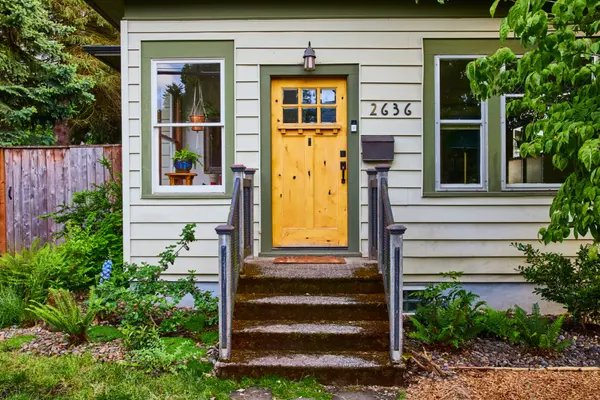
Renting Out a Home in Portland, Lake Oswego, and Nearby Neighborhoods: A Landlord's Rules Guide
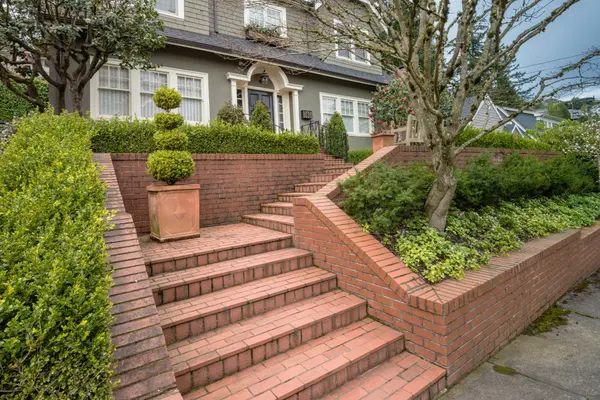
Alameda, Portland Neighborhood Guide: Walkability, Parks, and Why Relocators Love It
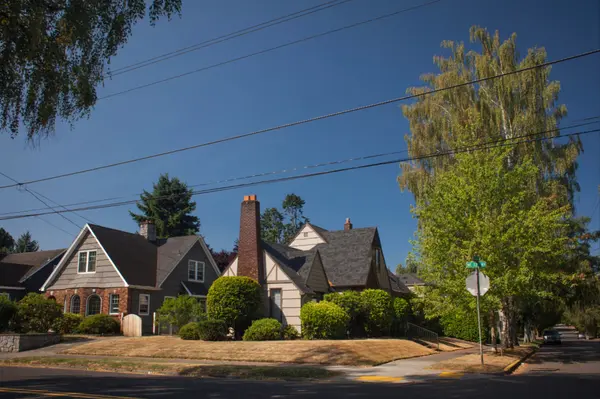
Alameda vs Irvington: Which Portland Neighborhood Fits You?

Best Sections of Cities and Communities in Oregon to Buy 2026

Schools in Alameda, Irvington, Beaumont, Lake Oswego and West Hills: Guide

Cities and Communities in Oregon Price Per Sq Ft: How It Compares Locally

The Complete Relocation Guide to Portland, Oregon

Cities and Communities in Oregon Luxury Home Prices 2026: What You Get

Moving to Portland Neighborhoods: Complete Guide
GET MORE INFORMATION

Suzanne Clark Cambray
Your Trusted Advisor, Licensed Principal Broker in OR & NY License ID: 200608182