
Preparing a Portland Home for Sale: What Upgrades Pay Off
The upgrades that consistently pay off when preparing a Portland home for sale are targeted exterior improvements and selective cosmetic refreshes, not full-scale renovations. Zonda’s 2025 Cost vs. Value Report confirms that garage door replacement, manufactured stone veneer, and minor kitchen remodels each recoup well over 100 percent of their cost nationally, while major upscale remodels frequently return less than 40 cents on the dollar.
In Portland's market, where buyers have grown increasingly analytical, strategic and well-chosen upgrades separate listings that attract strong offers from those that linger. This guide walks Portland sellers through which upgrades actually move the needle, why luxury and mid-range markets require a calibrated approach, and where pre-sale spending most often goes wrong.
Why Portland's Market Rewards Strategic Upgrades
Portland buyers today apply steep discounts for deferred maintenance, while over-improvement at any price tier rarely returns its cost. Buyers are no longer waiving inspections or overlooking neglect. They price in disruption and uncertainty when a home signals work ahead. In this environment, the right pre-sale upgrades accomplish two goals: they remove buyer objections before an offer is made, and they position a home favorably for online search, where a photography portfolio serves as the first impression.
That dynamic is particularly acute across the best Portland neighborhoods for long-term real estate investment. Homes in Alameda, Irvington, and Beaumont frequently feature historic architecture, including Craftsman bungalows, Tudor Revivals, and English Revivals built between 1910 and 1940, where original character is itself a primary selling point. Meanwhile, Lake Oswego and the West Hills attract buyers with sophisticated tastes who easily distinguish a well-maintained property from one that has been cosmetically disguised.
The core principle remains simple: spend where buyers can see it, and stop before over-improving for your price tier. A $164,104 luxury kitchen remodel that returns only 36 cents on the dollar is a costly miscalculation.
Exterior Upgrades That Pay Off
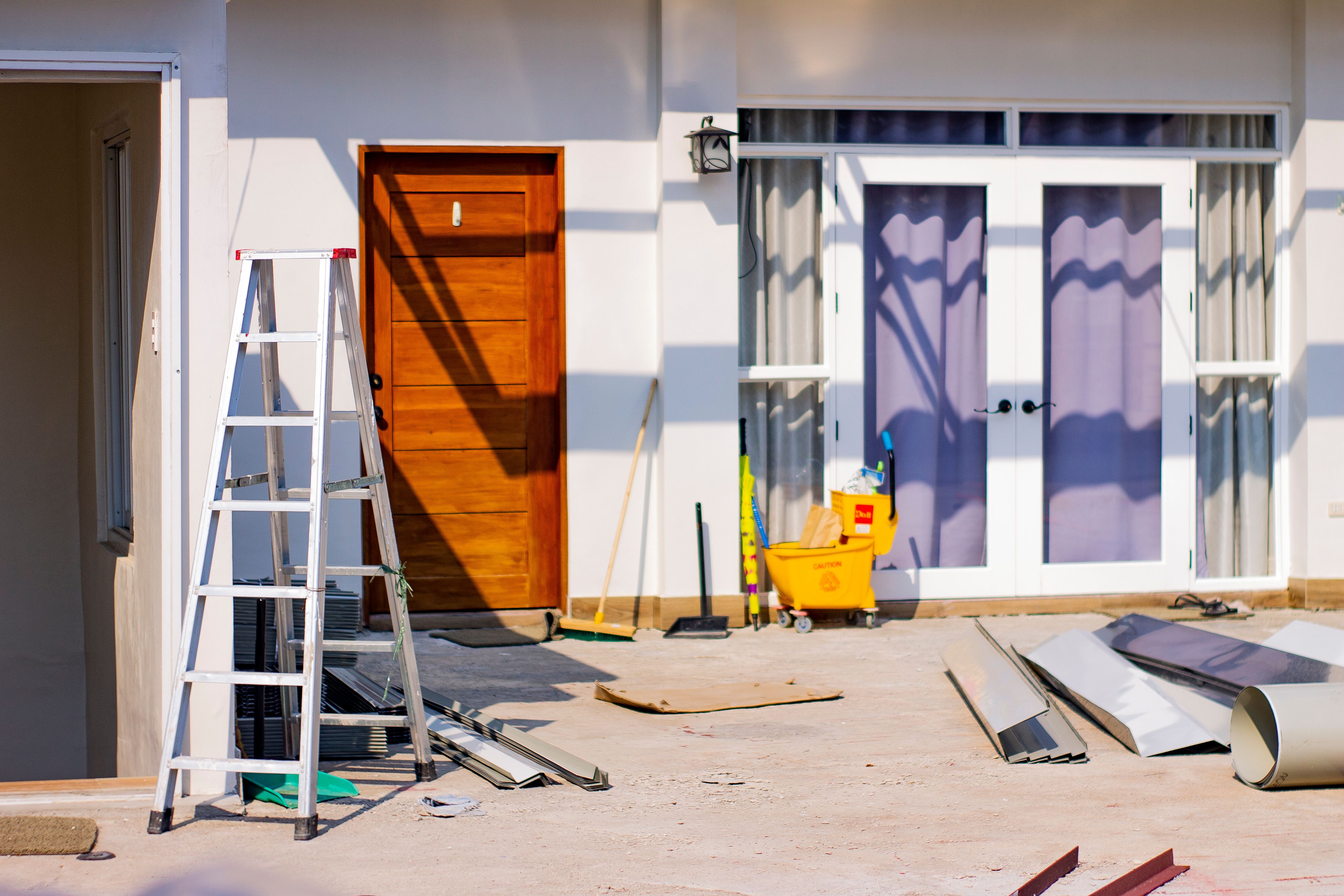
Exterior improvements represent the highest-returning category when preparing a Portland home for sale. They build physical curb appeal for in-person visitors and digital appeal for online buyers.
The table below summarizes key projects from Zonda’s 2025 Cost vs. Value Report, ranked by national return on investment:
| Project | Avg. Job Cost | Resale Value | National ROI |
|---|---|---|---|
| Garage Door Replacement | $4,672 | $12,507 | 268% |
| Steel Entry Door Replacement | $2,435 | $5,270 | 216% |
| Manufactured Stone Veneer | $11,702 | $24,328 | 208% |
| Fiber-Cement Siding Replacement | $21,485 | $24,420 | 114% |
| Minor Kitchen Remodel (Midrange) | $28,458 | $32,141 | 113% |
| Midrange Bath Remodel | $26,138 | $20,915 | 80% |
| Upscale Bath Remodel | $81,612 | $34,000 | 42% |
| Major Kitchen Remodel (Upscale) | $164,104 | $58,561 | 36% |
Source: Zonda's 2025 Cost vs. Value Report (national averages).
Garage door replacement costs an average of $4,672 and returns approximately 268 percent at resale, modernizing a street-facing facade instantly and signaling meticulous maintenance. Manufactured stone veneer applied to the lower facade or entryway recovers roughly 208 percent nationally by adding distinguished architectural weight.
Fiber-cement siding replacement is especially relevant to the Pacific Northwest climate. The extended wet season is tough on exterior materials, and buyers scrutinize moisture management closely. New fiber-cement siding recovers approximately 114 percent of its cost while removing moisture concerns during inspection.
Low-cost landscaping tasks like pressure washing driveways, walkways, and siding, paired with fresh mulch and pruned landscaping, create an immediate impression of a well-cared-for home.
Kitchen and Bathroom Updates: The Right Scale Matters
Kitchens and bathrooms heavily influence buyer decisions, but spending at a scale buyers will not reward erodes equity.
A minor kitchen refresh involves refacing cabinet fronts, installing mid-range quartz or granite countertops, updating the faucet and sink, adding energy-efficient appliances, and laying fresh flooring. This project averages $28,458 and recovers 113 percent of its cost. By comparison, a major upscale kitchen remodel costing $164,104 returns only about 36 percent, resulting in a net loss of over $100,000 in equity.
Bathrooms follow a similar pattern. A midrange bathroom remodel averaging $26,138 recovers roughly 80 percent of its cost. An upscale overhaul costing $81,612 returns only about 42 percent. Cleaning grout, re-caulking corners, updating hardware, and painting the vanity deliver a significantly better return per dollar spent.
Paint, Flooring, and Staging: Maximum Return Per Dollar
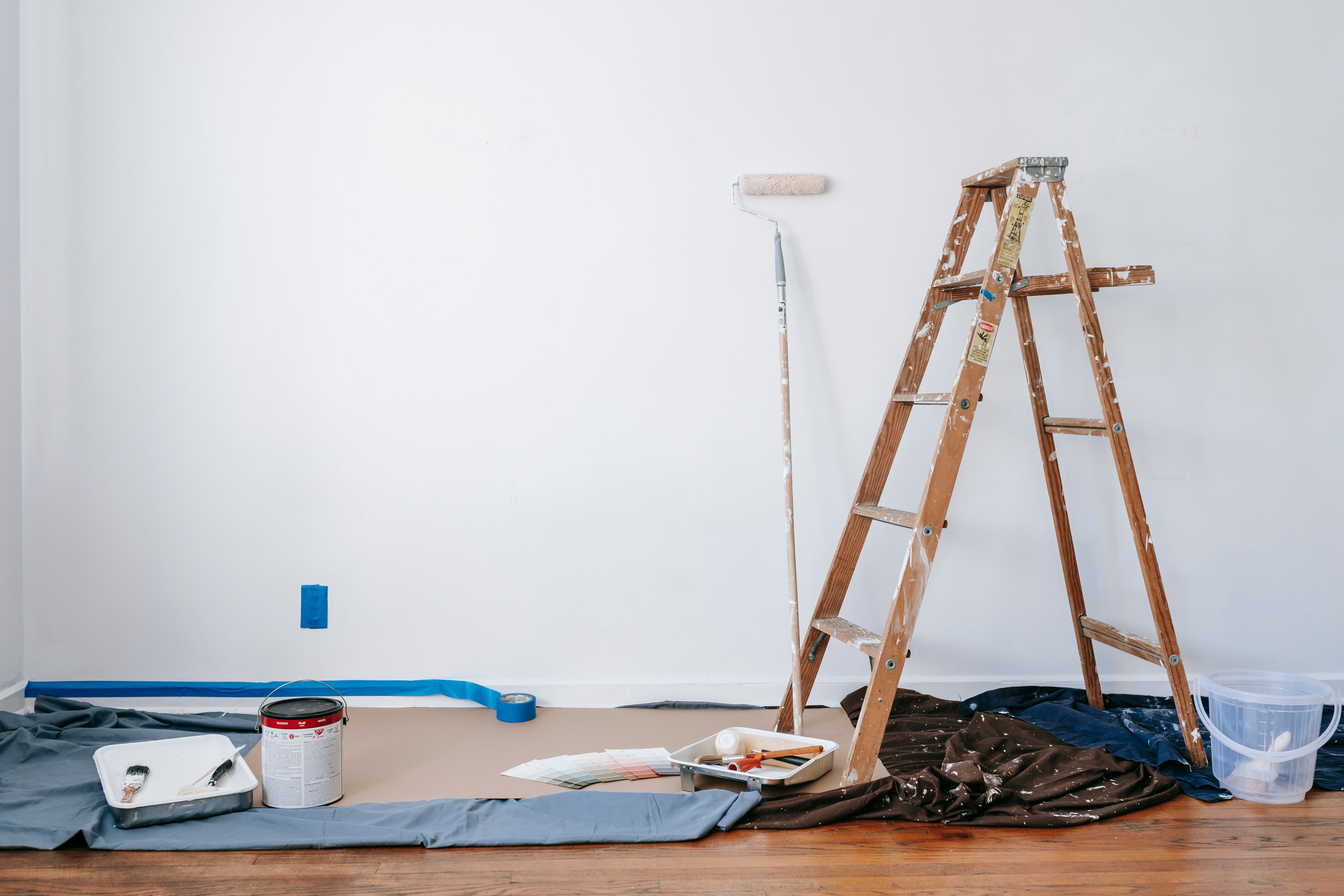
These three cosmetic levers consistently deliver the highest perceived-value lift relative to cost across all price tiers:
-
Neutral Interior Paint: According to the NAR 2025 Remodeling Impact Report, painting the interior is the top project recommended before listing, cited by 50 percent of agents surveyed. Using light, warm neutrals like creamy whites, soft greige, and pale taupe allows buyers to project their own vision onto the space. Paint corner-to-corner, including trim and baseboards.
-
Cohesive Flooring: Refinishing existing hardwoods in historic Irvington or Alameda homes preserves original fir and oak character at a fraction of replacement cost while unifying the main level layout.
-
Professional Staging: Staging communicates scale, layout function, and move-in readiness. It is essential for luxury properties in Lake Oswego or the West Hills to support premium market positioning.
Systems and Infrastructure: Address What Inspectors Find
Mechanical and structural deficiencies discovered during due diligence lead to price reductions at multiples of the actual repair cost because buyers price in hassle and uncertainty.
An outdated heating and cooling system signals deferred maintenance broadly. A pre-listing service call removes red flags. Upgrading dated fossil-fuel heating to a heat pump resonates with energy-conscious Portland buyers and can leverage local utility rebates through Energy Trust of Oregon.
If a roof is within five years of the end of its lifespan, proactively pricing or replacing it eliminates the uncertainty discount buyers apply during negotiations. For homes built before 1980, replacing Federal Pacific or Zinsco electrical panels removes common financing barriers and safety objections before going live. Finally, address any unpermitted basements, attics, or additions upfront, as experienced buyers and local agents in historic districts routinely verify city records.
What Not to Do: Common Over-Improvements
Projects that destroy seller equity share a common theme: personalization at scale. High-cost, highly customized renovations narrow buyer appeal without expanding value:
- Major upscale kitchen remodels (recovering roughly 36 percent)
- Upscale bathroom overhauls (recovering roughly 42 percent)
- Sunrooms, pool additions, and garage conversions
- Highly personalized finishes like bespoke tile, custom cabinetry, or bold wallpapers
Calibrating Your Strategy by Price Tier and Neighborhood
The right pre-sale strategy in Portland is calibrated to the intersection of price tier, neighborhood character, and current buyer expectations in that specific market segment.
| Market Tier | Key Neighborhoods | Priority Upgrades |
|---|---|---|
| Mid-Range | Beaumont, outer Irvington | Paint, flooring, curb appeal, mechanical systems |
| Luxury | Alameda, central Irvington, Lake Oswego, West Hills | Staging, exterior condition, systems integrity, quality finishes |
For mid-range homes, the goal is presenting a clean, move-in-ready property where every pre-sale dollar spent is recoverable. For luxury properties, staging, professional photography, and broad market reach drive final net proceeds.
For a detailed breakdown of local housing options, school metrics, and pricing across entry tiers, review the first-time buyer guide to Portland neighborhoods.
Bottom Line
Preparing a Portland home for sale is about maximizing perceived value relative to cost. Exterior improvements and targeted cosmetic refreshes outperform large-scale interior renovations at every price tier. Address what inspectors will flag, present what photography will highlight, and avoid spending capital buyers will not reward.
Evaluating real estate decisions across local submarkets requires balancing micro-market data with practical ground-level context.
Frequently Asked Questions
What upgrades add the most value when selling a Portland home?
Exterior improvements consistently deliver the highest returns. Zonda's 2025 Cost vs. Value Report shows garage door replacement (268 percent ROI), manufactured stone veneer (208 percent), and fiber-cement siding replacement (114 percent) each recoup well over their cost nationally. Interior updates with strong returns include minor kitchen refreshes (113 percent) and neutral interior paint.
Should I do a full kitchen remodel before selling?
In most cases, no. A major upscale kitchen remodel recovers only about 36 percent of its cost at resale nationally. A minor kitchen refresh involving refaced cabinets, updated countertops, new appliances, and fresh flooring recovers approximately 113 percent of its cost at a fraction of the financial risk.
How much should I spend preparing my home for sale in Portland?
A practical benchmark is keeping total pre-sale spending under 1 to 3 percent of the anticipated sale price. Concentrate the budget on high-visibility items: exterior condition, paint, flooring, staging, and servicing mechanical systems.
Do luxury upgrades pay off in Portland's high-end neighborhoods?
Not reliably. In Alameda, Irvington, Lake Oswego, and the West Hills, buyers discount heavily for personalized finishes they did not choose. Immaculate exterior condition, professional staging, and well-maintained systems consistently outperform custom renovations.
What should I fix before a home inspection in Portland?
Prioritize HVAC condition and service records, roof integrity, outdated electrical panels like Federal Pacific or Zinsco, visible plumbing leaks, and evidence of moisture intrusion in basements or crawl spaces.
Recent Posts





GET MORE INFORMATION

Suzanne Clark Cambray
Your Trusted Advisor, Licensed Principal Broker in OR & NY License ID: 200608182