
First-Time Home Buyer Guide to Portland Neighborhoods
Among Portland's most sought-after neighborhoods for first-time buyers, prices in 2025 ranged from $682,500 in Beaumont-Wilshire to $1,250,000 in Arlington Heights, representing two distinct tiers with different buyer profiles, timelines, and trade-offs. Knowing which tier fits your budget and lifestyle before you tour a single home will save you months of mismatched searching.
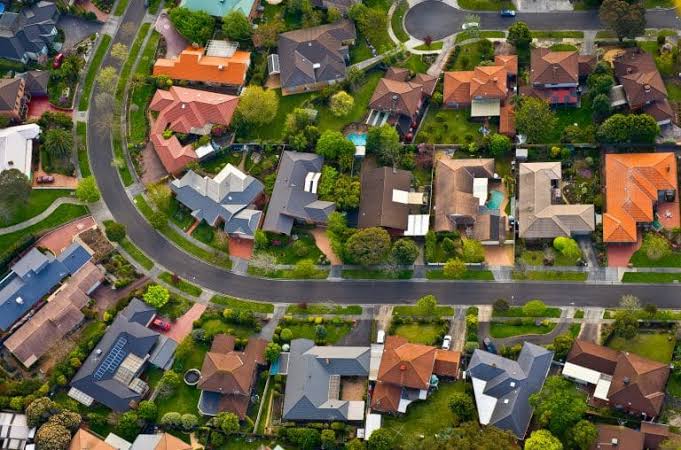
These five areas, including Alameda, Irvington, Beaumont-Wilshire, Lake Oswego, and the West Hills, span mid-range entry points that still deliver architectural character and top-rated schools, all the way to full luxury markets where historic estates command seven-figure prices. This guide breaks each neighborhood down by what first-time buyers actually need to know, covering price realities, housing character, school access, walkability trade-offs, and who each area genuinely suits.
Why These Five Portland Neighborhoods Keep Attracting First-Time Buyers
These five neighborhoods consistently attract first-time buyers because they combine architectural character, strong public schools, and proven long-term value, qualities that less established Portland areas rarely offer together. Citywide home prices ticked up roughly 3 percent in 2025 after remaining flat the year before, a measured pace that rewards buyers who choose strategically rather than reactively (Portland Monthly / PSU Center for Spatial Analysis and Research, April 2026).
The five areas covered here span both price tiers. For other Portland neighborhoods beyond these five, separate neighborhood guides cover the broader city's options.
Alameda: Established Prestige in Northeast Portland
Alameda is the benchmark neighborhood for first-time buyers who want a luxury-leaning purchase without leaving Northeast Portland. The neighborhood's defining feature is its ridge geography, with broad tree-lined streets rising along the Alameda Ridge, lined almost entirely with Craftsman bungalows, Tudor Revival homes, and Arts and Crafts properties built between 1910 and the late 1940s. This is not a neighborhood where you find new construction; what you get instead is architectural consistency and a housing stock maintained by ownership-proud residents for generations.
In 2025, Alameda posted a median home sale price of $939,675, with an average of $1,003,472 across 69 closed transactions. Prices appreciated 4 percent year-over-year and 23 percent over the prior five years, marking one of the stronger appreciation stories in inner Northeast Portland. Days on market averaged just 29, telling buyers that well-priced inventory moves quickly (Portland Monthly / PSU, April 2026).
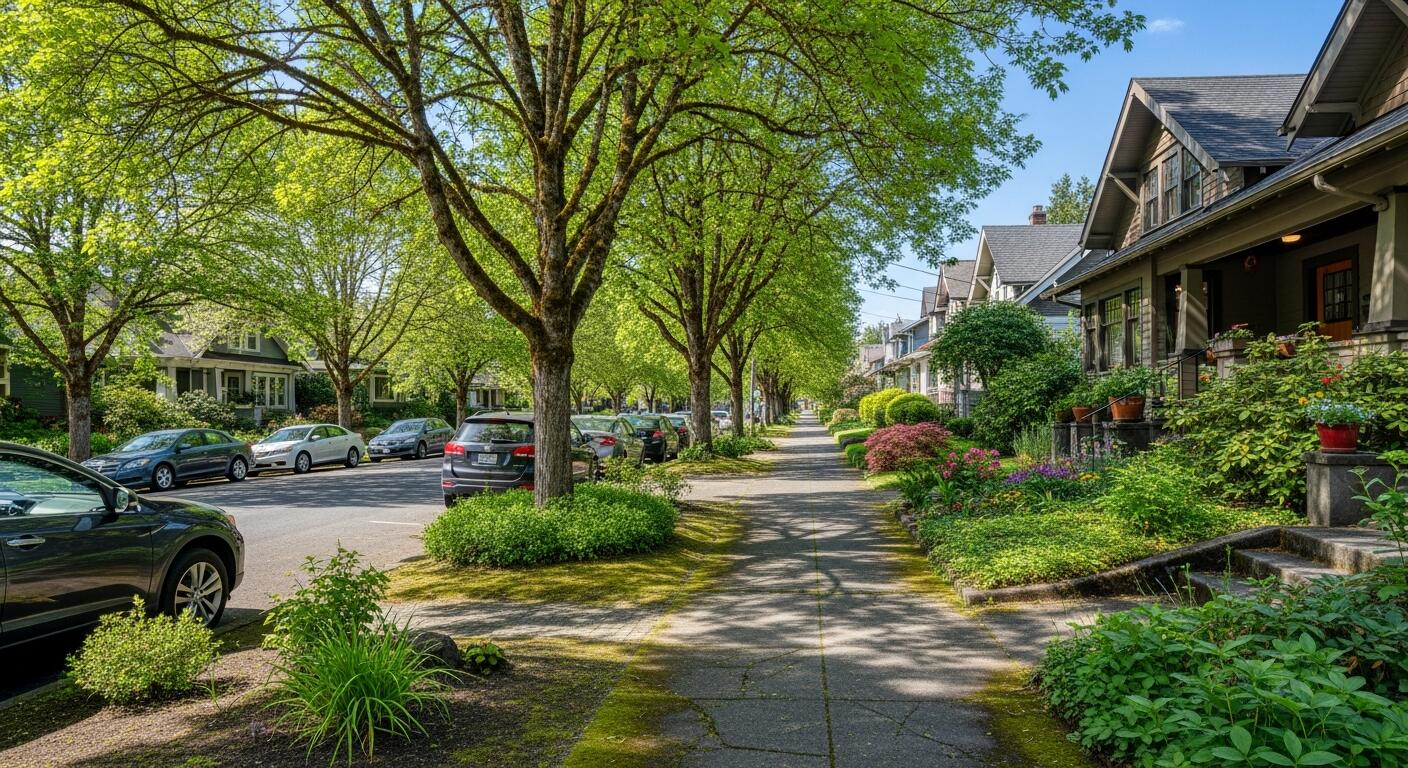
The school pipeline is a significant draw, as Alameda Elementary feeds into Beaumont Middle School and then Grant High School, giving families a clear, well-regarded public path from kindergarten through graduation. The neighborhood's homeownership rate sits at 79 percent, and the median household income was approximately $175,700 in the five years ending 2023 (US Census Bureau ACS 5-Year Estimates, 2019–2023, released late 2024), reflecting the caliber of buyers competing for the same homes you will be considering.
The honest trade-off is that Alameda's prestige is residential rather than commercial. Most daily errands require a car, and the nearest walkable retail cluster is Northeast Broadway, a short drive away. Buyers who need a café within a five-minute walk should look elsewhere, while buyers who want quiet, tree-canopied streets and an established neighborhood identity will find Alameda hard to beat.
Irvington: Grand Historic Homes with Urban Walkability
Irvington offers something that Alameda does not: genuine walkability alongside comparable historic character. With a Walk Score of 84 and complete sidewalk coverage across its road network, Irvington is the rare Northeast Portland neighborhood where you can leave the car at home for coffee, groceries, and dinner (Portland Monthly / PSU, April 2026).
The housing stock leans toward larger, grander homes than Alameda, featuring wide-frontage Craftsman and Colonial Revival properties on tree-lined streets between Northeast 7th and Northeast 26th Avenues. Many of Irvington's finest homes are listed on the National Register of Historic Places, which adds preservation significance but also means buyers should budget for the maintenance expectations that come with century-old architecture.
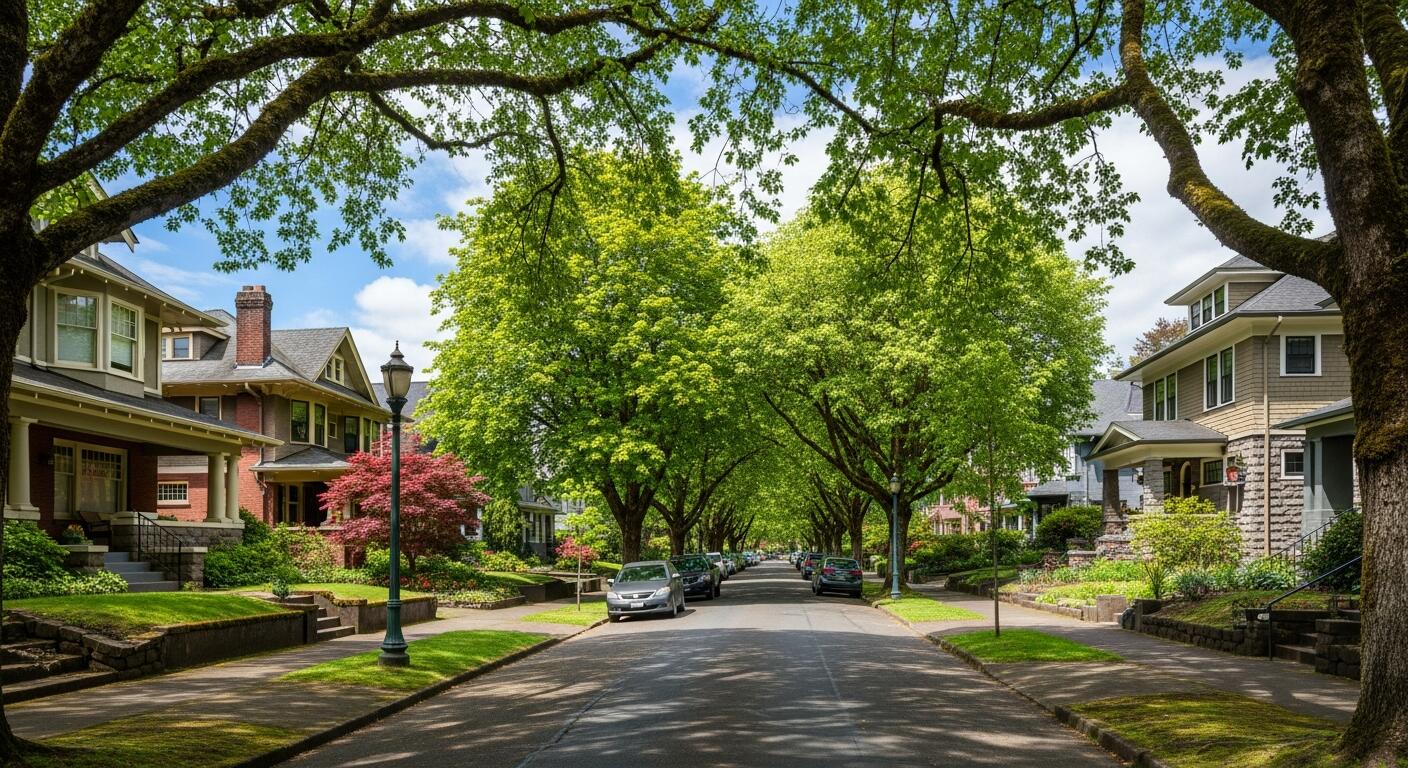
The 2025 RMLS median sale price for Irvington was $875,000, with an average of $916,210 across 61 closed transactions. Days on market averaged 26, even tighter than Alameda, with zero distressed sales recorded. The 16 percent condo share means there is more housing-type variety here than in purely single-family neighborhoods, opening up entry points for buyers whose budget does not reach the full detached-home range (Portland Monthly / PSU, April 2026).
Irvington's school access mirrors Alameda's at the high school level via Grant High School, and the neighborhood's median household income of approximately $137,800 in the five years ending 2023 (US Census ACS 5-Year Estimates, 2019–2023, released late 2024) reflects a stable, long-established ownership community. Homeownership sits at 58 percent, lower than Alameda, meaning a meaningful share of housing is renter-occupied, giving both investors and owner-occupants more factors to weigh.
Beaumont-Wilshire: The Mid-Range Entry Point to Northeast's Best Address Book
Beaumont-Wilshire is where first-time buyers who love the Alameda-Irvington corridor tend to land when they want to stay close to those neighborhoods without paying their premium. Geographically wedged between Northeast 33rd and Northeast 50th Avenues, Beaumont-Wilshire sits directly adjacent to Alameda's eastern edge and shares much of the same school access and tree-canopy character at a meaningfully lower price.
In 2025, the neighborhood posted a median sale price of $682,500 across 108 closed transactions, marking the highest transaction volume of the three Northeast Portland neighborhoods in this guide and reflecting genuine buyer demand at an accessible price point. Prices shifted down 6 percent year-over-year relative to 2024, and the five-year appreciation figure came in flat at 0 percent (Portland Monthly / PSU, April 2026). For buyers, the year-over-year dip represents an opportunity to enter a well-established neighborhood during a moment of reduced competition.
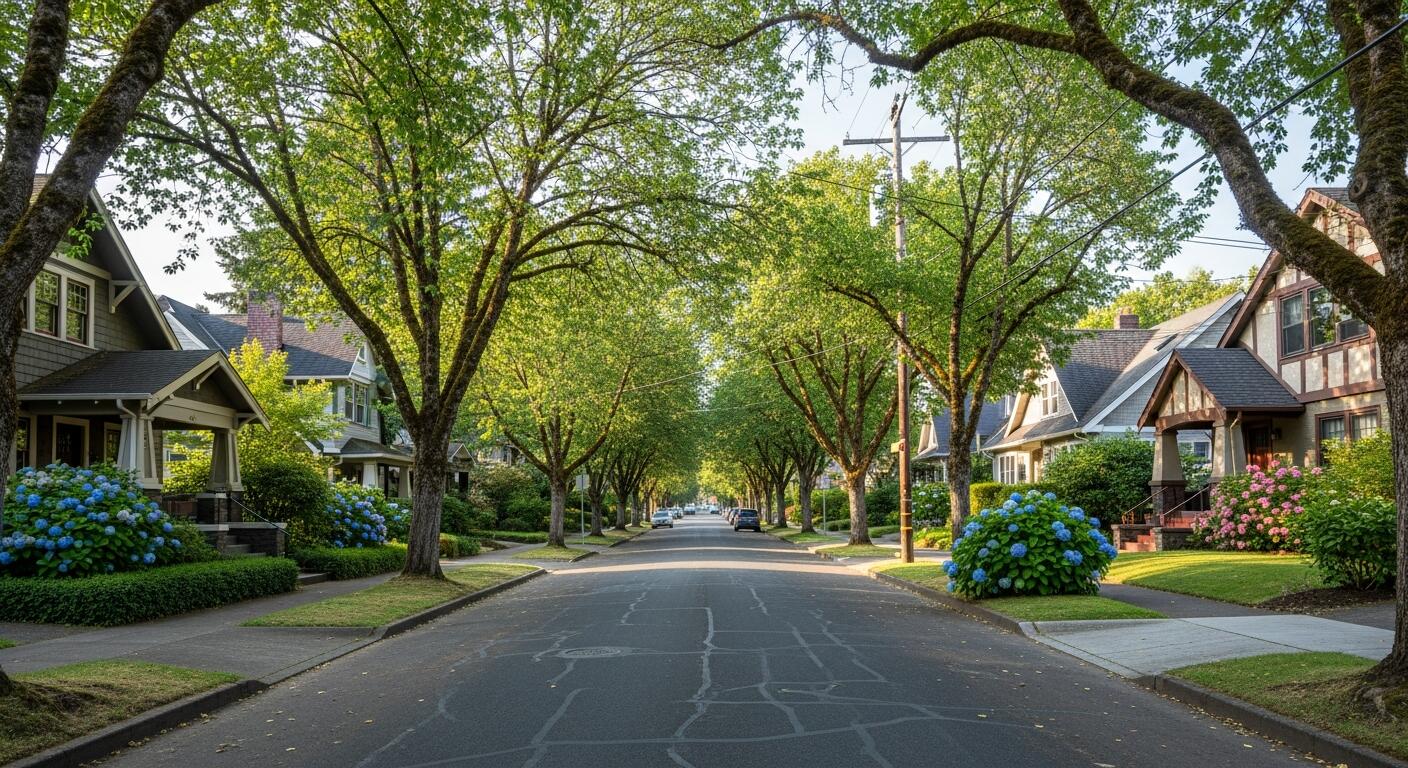
The commercial anchor here is Fremont Street, which runs through the neighborhood and offers walkable access to independent coffee shops, restaurants, and neighborhood retail, giving Beaumont-Wilshire better day-to-day walkability than Alameda proper.
Days on market averaged 36, and the 10 percent condo share means most inventory consists of single-family detached homes, typically mid-century construction built around 1962 on average, in the roughly 2,100 square foot range (Portland Monthly / PSU, April 2026). With a homeownership rate of 89 percent and a median household income around $126,200 in the five years ending 2023 (US Census ACS 5-Year Estimates, 2019–2023, released late 2024), Beaumont-Wilshire is one of the most stable ownership communities in inner Northeast Portland. For first-time buyers whose budget tops out in the high $600s to low $700s, it is almost always the smarter first call over spending a comparable amount further from the core.
Lake Oswego: Suburban Luxury With Exceptional School Access
Lake Oswego sits south of Portland in Clackamas County and operates as its own city, but for buyers comparing Portland metro neighborhoods, it belongs in this guide because of its consistent role as a primary destination for buyers who want top-tier schools, a lakeside lifestyle, and a suburban pace without sacrificing proximity to Portland employment centers.
The 2025 RMLS median home sale price across all property types in Lake Oswego was $922,500 across 594 closed transactions, with an average of $1,163,242 reflecting the weight of upper-tier single-family homes in the mix.
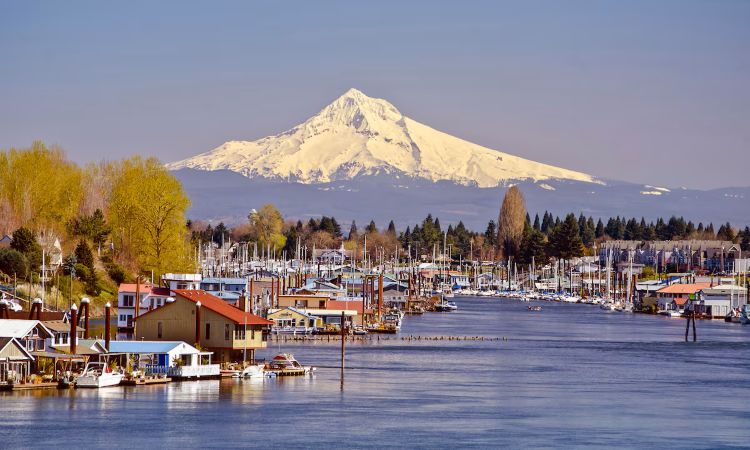
The five-year appreciation figure reached 27 percent, representing one of the stronger suburban appreciation stories in the Portland metro area. Average days on market came in at 60, and 20 percent of sales were condos, meaning the detached single-family segment skews meaningfully higher than the all-types median (Portland Monthly / PSU, April 2026).
The school districts are the primary reason buyers accept the premium. Lake Oswego's high schools draw consistent attention from families making long-term education-driven location decisions, and that school quality is built directly into property values, helping them hold strong even when broader market cycles soften.
The lifestyle anchor is Oswego Lake itself, and its legal status continues to evolve. A Clackamas County Circuit Court ruling issued in March 2025 struck down the city ordinance restricting public access to Lakewood Bay from Lower Millennium Plaza Park; the city chose not to appeal and is complying with the order, making public non-motorized access at that entry point open. The Lake Oswego Corporation is separately appealing the underlying ruling, with its opening brief filed in August 2026 focusing specifically on Lakewood Bay, while access at other lake shoreline areas remains restricted pending those proceedings (Lake Oswego Review, August 2026). First Street restaurants and galleries round out the downtown amenity picture.
For a first-time buyer, Lake Oswego is a realistic option if your budget reaches the upper six figures and you prioritize school quality and suburban living over urban walkability. Readers exploring regional choices can review available Lake Oswego real estate listings to compare active inventory and pricing across neighborhoods.
West Hills: Portland's Defining Luxury Address
The West Hills is where Portland's luxury real estate market becomes truly distinct. Comprising sub-areas including Portland Heights, King's Heights, Arlington Heights, Willamette Heights, and Council Crest, the West Hills have been home to Portland's professional community since the 1920s, drawn by a combination of privacy, sweeping views, and proximity to downtown.
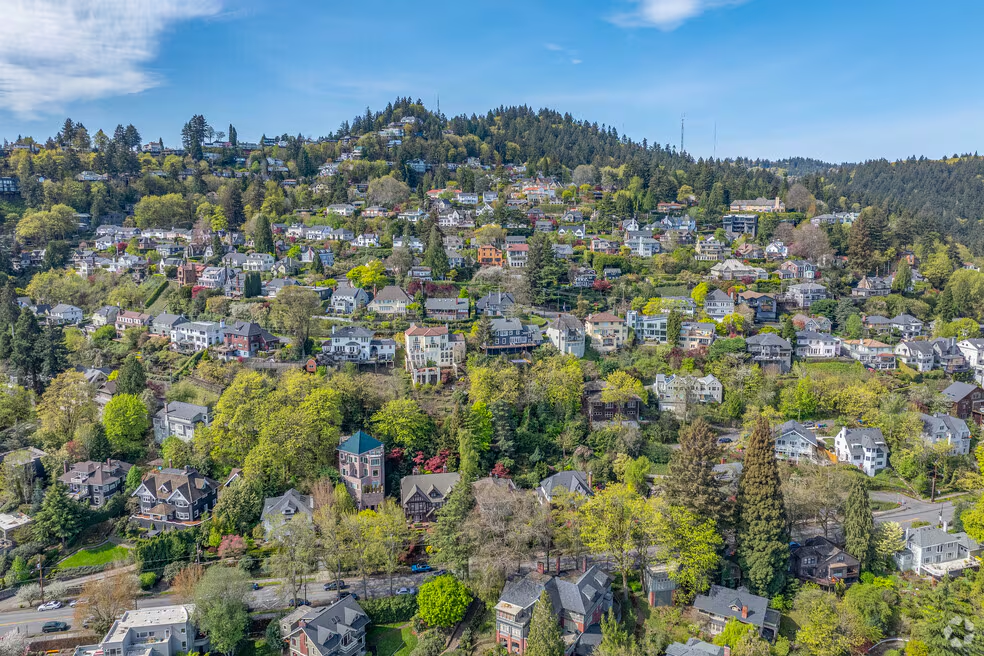
Based on 2025 RMLS data, the West Hills breaks into two tracked statistical areas with a clear price spread. The Southwest Hills broader zone posted a median of $1,050,000 across 111 transactions, with a five-year appreciation of 24 percent. Arlington Heights, serving as one of the most exclusive sub-areas, posted a 2025 median of $1,250,000 across 17 transactions, with a five-year appreciation of 42 percent. Days on market averaged 38 in Arlington Heights, while the Southwest Hills averaged 97, reflecting the heterogeneous inventory mix across a large geographic zone (Portland Monthly / PSU, April 2026).
The housing stock ranges from early-20th-century Colonial and Tudor estates to architect-designed mid-century properties and custom contemporary builds. Lot sizes are meaningfully larger than the inner Eastside, and many homes offer unobstructed panoramic views of downtown Portland, Mount Hood, and the Willamette Valley, a feature commanding a durable price premium regardless of broader market conditions.
Forest Park, spanning 5,200 acres with more than 80 miles of trails and standing as one of the largest urban forests in the United States (Forest Park Conservancy), borders the West Hills directly, making this a rare neighborhood where serious hiking access and luxury living occupy the same address.
For a first-time luxury buyer, the West Hills entry-level range in sub-areas like Portland Heights typically begins in the high $800,000s and scales upward with view quality, lot size, and architectural significance. Buyers should prepare for longer days on market in some pockets and recognize that winding hillside streets mean low walkability scores, making this a car-dependent neighborhood despite its proximity to downtown sitting roughly 10 minutes away.
How to Choose Between These Five Portland Neighborhoods
The right match depends on two variables that only you can define: your true budget ceiling after stress-testing against real carrying costs, and your honest assessment of daily life priorities.
| Neighborhood | 2025 Median Sale Price | Best For |
|---|---|---|
| Beaumont-Wilshire | $682,500 | First-time buyers wanting NE Portland character at mid-range pricing |
| Irvington | $875,000 | Walkability + historic grandeur, some condo entry points |
| Alameda | $939,675 | Established prestige, top school pipeline, quiet streets |
| West Hills (SW Hills) | $1,050,000+ | Privacy, views, Forest Park access, luxury estates |
| Lake Oswego | $922,500 (all types) | Suburb lifestyle, exceptional schools, lakeside community |
2025 RMLS data via Portland Monthly / PSU Center for Spatial Analysis and Research, published April 2026.
If you haven't yet confirmed your purchasing power, the affordability calculator and mortgage calculator can help you model different scenarios against your real income and debt picture before you speak with a lender.
When you are ready to tour, keep in mind that faster-moving neighborhoods like Irvington and Alameda both averaged under 30 days on market in 2025 and move quickly. Securing pre-approval before your first showing remains an effective preparation step.
Frequently Asked Questions
-
What is the most affordable option among these five Portland neighborhoods for a first-time buyer?
Beaumont-Wilshire serves as the most accessible entry point, with a 2025 RMLS median sale price of $682,500, roughly $190,000 below neighboring Alameda and $193,000 below Irvington. It shares much of the same school access and neighborhood character at a lower price point, making it a practical first call for buyers whose budget tops out in the high $600s to low $700s.
-
Are Alameda and Irvington good investments for first-time buyers in Portland?
Both neighborhoods showed positive appreciation over the five years ending in 2025. Alameda posted 4 percent year-over-year growth and 23 percent over five years, while Irvington posted flat year-over-year growth with 11 percent over five years (Portland Monthly / PSU, April 2026). Neither functions as a speculative bet; instead, they represent established Portland mid-range and luxury neighborhoods with structural demand driven by school quality, housing character, and limited inventory.
-
What is the difference between buying in the West Hills versus Lake Oswego?
Both options provide luxury markets with strong school access and lifestyle amenities. The key difference lies in environment and community structure: the West Hills consist of urban-adjacent hillside neighborhoods inside Portland's city limits, offering panoramic views, Forest Park access, and historic architecture. Lake Oswego operates as a separate city featuring its own downtown, lake access, and a more purely suburban pace. Buyers seeking Portland city living with elevation and views tend toward the West Hills, while buyers wanting a self-contained suburban community oriented around schools and a lakeside lifestyle lean toward Lake Oswego.
-
Do I need 20 percent down to buy in these neighborhoods?
No. Conventional loans are available with lower down payment minimums, and alternative programs accommodate buyers meeting credit score requirements. Consulting a qualified mortgage professional helps model different down payment scenarios against specific income and debt figures before applying.
-
What should first-time buyers know about the market pace in Portland's luxury and mid-range neighborhoods?
In 2025, Irvington and Alameda averaged fewer than 30 days on market, meaning well-priced homes in both neighborhoods moved in under a month. Beaumont-Wilshire averaged 36 days, and Lake Oswego averaged 60 days on market across all property types (Portland Monthly / PSU, April 2026). Obtaining pre-approval before starting your search is essential in faster-moving areas for making a credible offer.
Comparing micro-markets across Portland requires looking past listing photos and understanding ground-level details. If you are weighing your options between specific luxury enclaves like Lake Oswego and the West Hills, you can read our deep-dive comparison Lake Oswego vs. West Hills Luxury Guide.
Recent Posts




GET MORE INFORMATION

Suzanne Clark Cambray
Your Trusted Advisor, Licensed Principal Broker in OR & NY License ID: 200608182