
Portland ADU Guide
Accessory dwelling units come up in nearly every Portland buying and selling conversation now, whether the goal is rental income, space for aging parents, or a home office separate from the main house. Here is what an ADU actually is, what Portland allows, and what it means for value.
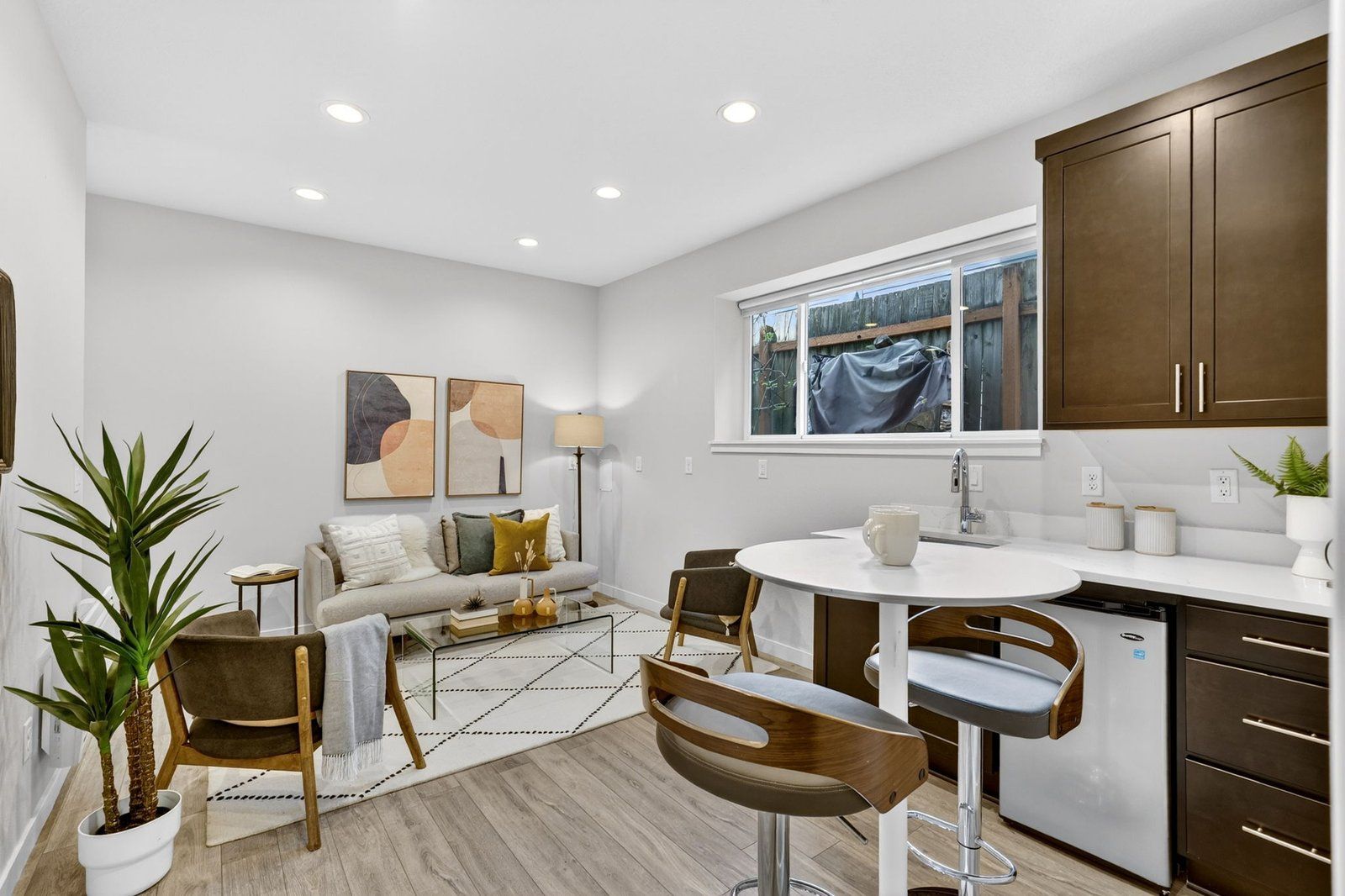
Inside the attached ADU we recently sold on NE 7th Avenue, a bright, self-contained layout with its own kitchen, living space, and entrance
What Counts as an ADU
An accessory dwelling unit is a second, independent living space on the same lot as a primary home, with its own kitchen, bathroom, and entrance. In Portland this can take a few different forms: a detached unit in the backyard, an attached addition like the one pictured above, or a converted basement or garage. All three are treated similarly under city code, though cost and construction timelines vary widely between them.
Attached vs. Detached
Attached ADUs, built into or onto the existing structure, are generally less expensive to build because they share a foundation, roofline, and often utility connections with the main house. Detached ADUs cost more but offer more privacy for both the owner and the occupant, which matters most for buyers planning to rent the unit out or house a family member long term.
"Buyers ask about ADU potential more than almost anything else right now. Whether they end up building one or not, having the option changes how they think about a property."
Suzanne Clark Cambray
Portland Zoning and Permitting
- Portland allows one ADU per lot in most residential zones, in addition to the primary home, without requiring extra off-street parking.
- Size is generally capped at 75 percent of the primary home's square footage or 800 square feet, whichever is smaller, though specifics depend on the zone and lot.
- Permits go through the Portland Bureau of Development Services, and timelines run several months from application to approval depending on scope.
- Portland has waived system development charges for ADUs in the past; whether that waiver is active changes periodically, so confirm current status before budgeting.
What It Costs to Build
Costs vary significantly by scope and finish level. A basement or garage conversion is typically the least expensive route since the structure already exists. An attached addition costs more, and a ground-up detached unit costs the most per square foot due to separate foundation, roof, and utility work. Getting firm numbers from a local contractor familiar with Portland permitting is more useful than any national average, since labor and material costs here do not track national figures closely.
Financing an ADU
Buyers typically fund an ADU through a construction loan, a cash-out refinance, a HELOC, or a renovation loan that rolls the build cost into the purchase mortgage. Each option has different qualification requirements and rate structures, so this is worth a conversation with a lender early, before making an offer on a property with ADU potential factored into the budget.
Impact on Value and Resale
A well-built, legally permitted ADU generally adds resale value and broadens the pool of interested buyers, particularly those weighing rental income or multigenerational living. Unpermitted units can complicate a sale, since lenders and title companies look for permit history, and buyers should expect closer scrutiny during inspection. If rental income is part of the plan, current tenant leases and rent history factor into how appraisers and buyers evaluate the property later.
A Few Practical Notes
- Confirm sewer and water capacity early. Older Portland lots sometimes need utility upgrades to support a second unit.
- If renting the ADU long term, factor Portland's renter protections and notice requirements into the decision before committing to a tenant.
- Property tax impact from adding an ADU is a common question. We cover how Oregon's Measure 50 system treats new construction in a separate post on Oregon property taxes.
Considering an ADU?
Whether you are buying a property with ADU potential or thinking about adding one to a home you already own, I can walk you through what makes sense for your budget and goals.
|
Suzanne Clark Cambray
Principal Broker, Moving to PDX Collective
+1 (503) 806-9332
suzanne@movingtopdx.com |
Recent Posts







GET MORE INFORMATION

Suzanne Clark Cambray
Your Trusted Advisor, Licensed Principal Broker in OR & NY License ID: 200608182