
At the Confluence of Architecture and the Deschutes River: Riverfront Living in Bend, Oregon

Central Oregon is defined by its landscape in a way that is both immediate and lasting. The Deschutes River, the stands of ponderosa pine, the volcanic rock formations, and the shifting quality of light throughout the day all contribute to how this region is experienced. These elements are not simply scenic backdrops; they shape daily life, influence rhythm, and inform how people inhabit space.
The most compelling homes in this region are those that recognize this relationship and respond to it with care. Rather than competing with the surrounding environment, they enter into a quiet dialogue with it. Architecture becomes less about separation and more about connection, allowing interior spaces to feel continuously linked to the natural world just beyond them.

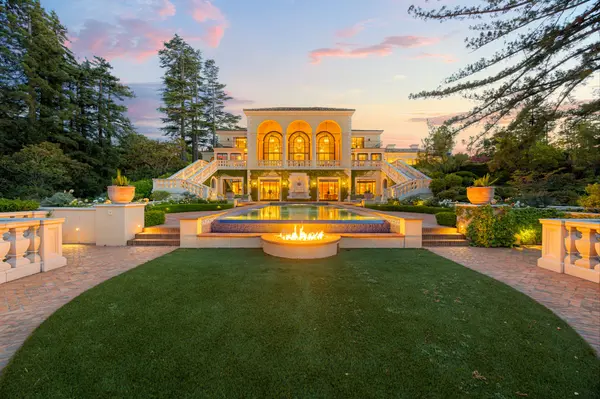
At this Bend, OR riverfront estate, listed with Cascade Hasson Sotheby’s International Realty, this approach is evident in the way the home is situated along the Deschutes River and in how it is designed to remain visually and experientially open to its setting.
Interiors That Let the Landscape Lead


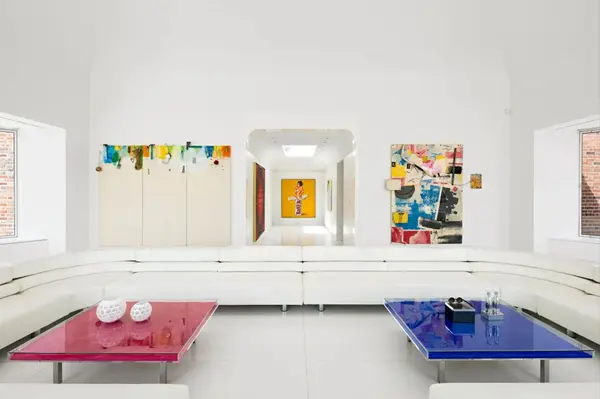
Inside the home, the design language is refined and deliberate, yet it is also intentionally restrained. Rather than drawing attention to itself, the interior architecture supports a sense of calm continuity between the built environment and the natural one outside. Large windows are used not only to bring in natural light, but also to frame the river, the trees, and the changing sky in a way that feels almost compositional, as though each view has been carefully considered.
Where Inside and Outside Begin to Blur
The relationship between interior and exterior space extends well beyond the glass walls of the home. A series of outdoor living areas create a gradual transition between the interior environment and the riverfront landscape. Rather than functioning as separate or secondary spaces, these outdoor areas feel integrated into the overall design of the home.


In a place like Bend, this fluidity between inside and outside carries particular significance. The seasons are distinct and deeply felt. Summer evenings often stretch long and quiet along the river, while autumn brings a softer light and a gradual change in color across the landscape. Winter introduces stillness, with the river and surrounding terrain taking on a more subdued character, and spring reintroduces movement and renewal along the water’s edge.
The Lifestyle People Come Here For
For many people, a move to Bend represents more than a simple change of address. It often reflects a broader shift in how they want to live. There is a desire to be closer to nature, to spend more time outdoors, and to experience daily life at a slower, more intentional pace. The presence of trails, rivers, and open space becomes part of everyday routine rather than an occasional escape and a thoughtfully designed home plays an important role in supporting and sustaining that way of life. It is not only a place to live, but a framework that shapes how time is spent, how gatherings unfold, and how the surrounding environment is experienced throughout the day.
This residence sits on more than an acre of riverfront property, offering a sense of space that is both generous and connected to its natural setting. Within the home, there are areas designed for gathering as well as for retreat, allowing for a range of daily experiences that can shift between social engagement and quiet reflection. What ultimately defines the experience of living here is the way they relate to the surrounding landscape. The river is not distant or obscured; it is consistently visible and present. Outdoor spaces are not secondary; they are easily accessible and naturally integrated into daily life. The landscape itself feels less like a view and more like an extension of the home’s atmosphere.
A Home Shaped by Place
At homes like this in Bend, the Deschutes River plays a central role in this relationship. It is not simply something to be seen from within the home, but a presence that influences how the entire property is felt and understood. The architecture does not frame the river as an object to be observed, but rather allows it to become part of the home’s ongoing atmosphere.


Erin Martin of The Ladd Group at Cascade Hasson Sotheby’s International Realty works with buyers who are drawn to this intersection of thoughtful design and extraordinary Central Oregon landscapes. She skillfully identifies where architecture and environment are considered together, rather than separately, resulting in homes that feel deeply connected to their place.
Contact Erin Martin, Principal Broker at The Ladd Group to find out more.
M: 541.213.9480 | erin@bendpropertysource.com | erin.bendpropertysource.com
Recent Posts




GET MORE INFORMATION

Suzanne Clark Cambray
Your Trusted Advisor, Licensed Principal Broker in OR & NY License ID: 200608182